Industry explorers
The 12 Layers of Bar System Design
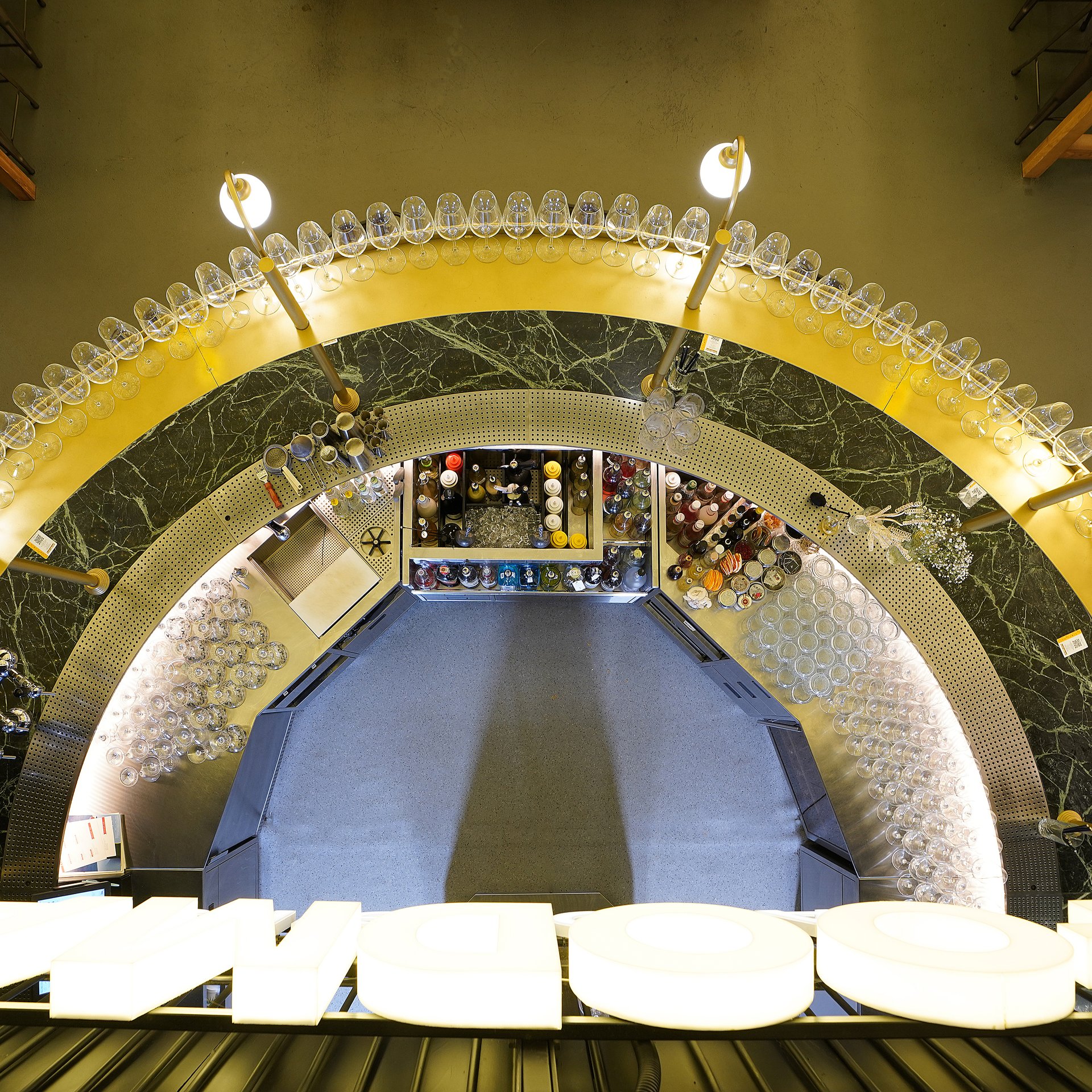
1. Concept and Service Model
Everything starts here.
Is it high-volume cocktails?
Fine dining with a strong bar?
A hotel bar with all-day service?
A rooftop with mixed use?
The system must match the concept. Not the other way around.
2. Guest Journey
Where guests enter. Where they sit or stand. How they interact with the bar.
The bar is both a production space and a stage.
3. Functional Zoning
Clear separation of:
cocktail production
coffee and non-alcoholic service
beer and wine service
prep zones
glassware storage
cleaning and dish areas
POS and payment points
Zoning is the backbone of any commercial bar design.
4. Bar Footprint and Layout
Shape, depth, height, circulation. This is where bar layout and hospitality architecture meet operational logic.
5. Bartender Workflow
How a drink is made from start to finish. Every movement is mapped:
reach
turn
step
grab
pour
reset
This defines the bartender workstation and bar workstation.
6. Cocktail Stations and Workstations
The core production units. A cocktail bar station or underbar cocktail station includes:
ice wells
garnish storage
bottle organization
rinsers
drainage
waste
tools
Designed properly, it becomes a self-contained system.
7. Equipment and Underbar Systems
This includes:
stainless steel bar equipment
refrigeration
ice systems
sinks and rinsers
storage
prep surfaces
Custom or modular, but always aligned with workflow.
8. Modular and Custom Bar Systems
Not every project is fully bespoke. Modular bar systems and commercial modular bar systems allow repeatability and scale.
Custom solutions allow precision. Most projects need both.
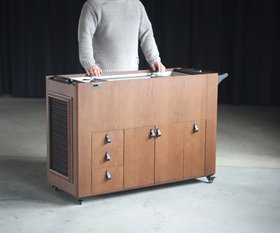
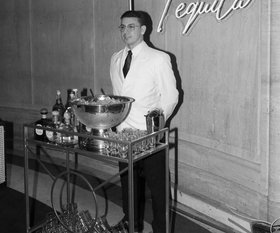
9. Mobile and Portable Systems
In some environments—events, rooftops, flexible venues—
mobile bar stations and portable bar systems become critical. Flexibility is part of the system.
10. Utilities and Coordination
Water. Drainage. Electricity. Ventilation.
If these are wrong, everything else fails.
Bar System Design aligns bar technology with real infrastructure.
11. Fabrication and Installation
Design must translate into build. That means:
clear equipment specifications
coordination with fabricators
alignment with contractors
No guesswork.
12. Operational Standards
The final layer. Once built, the system becomes repeatable:
same workflow
same output
same performance
This is where design turns into long-term value.
What It Changes for the Business
Bar System Design is not a design upgrade.
It’s a performance upgrade.
It improves:
Speed of service
Drinks move faster without cutting corners.
Consistency
Every station works the same way.
Labor efficiency
Less wasted motion. Better use of staff.
Ergonomics
Less fatigue. Fewer mistakes.
Staff retention
People stay where the system supports them.
Guest experience
Service feels smooth, not forced.
Revenue per square meter
The bar produces more, with the same footprint.
Design integrity
The concept survives real service.
Fewer change orders
Better decisions early reduce costly fixes later.
Construction clarity
Architects, designers, and contractors work from a shared system.
Smarter equipment decisions
No over-spec. No underperformance.
Long-term operational strength
The bar doesn’t degrade over time. It holds its standard.