Bar Product
EVOLUTION OF A TROLLEY
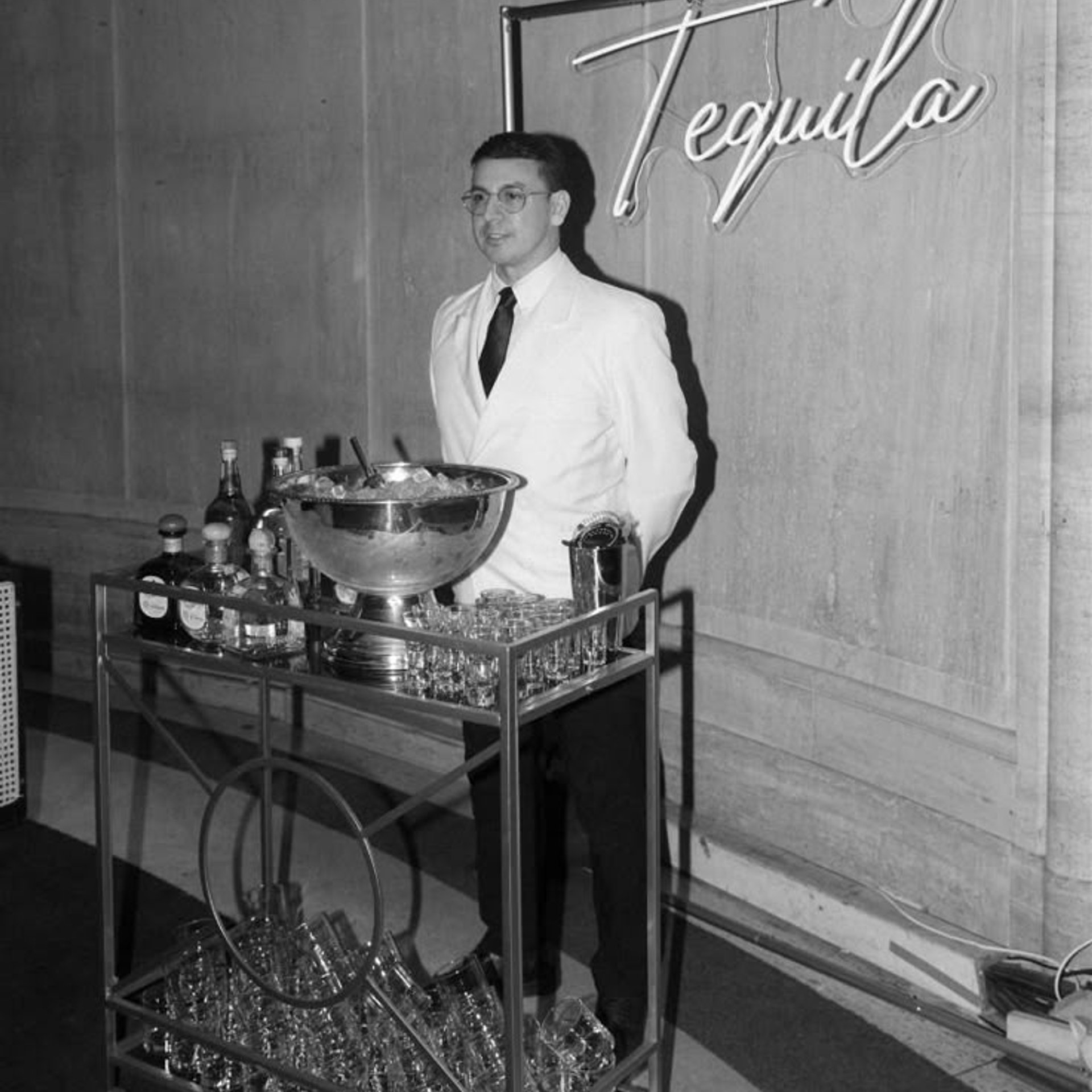
Long before a trolley started to carry crystal martini glasses or silver caviar tins, it solved a much simpler problem: how to bring work to where it is needed without interrupting the rhythm of service. What began as a domestic convenience gradually became a technical solution — and eventually, a system.
Its story mirrors the history of service itself: from ritual to logistics, from precision to performance. The trolley is not just a piece of furniture. It is a record of how human labor learned to move.
Phase I: Domestic Ritual
Tea trolleys and the birth of mobile ceremony
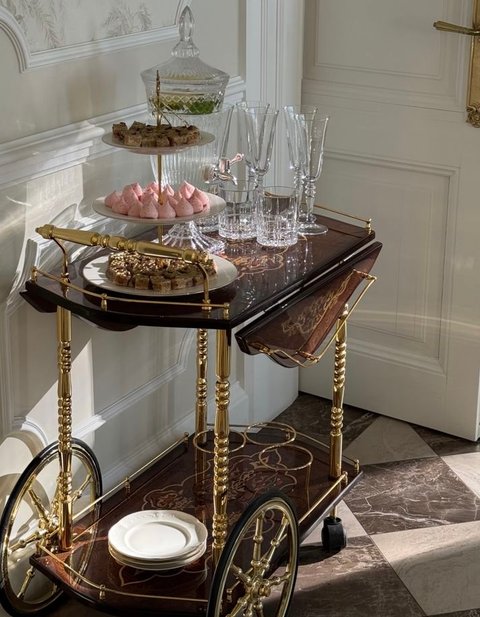
The modern trolley traces its lineage to Victorian Britain, where tea service was not merely a habit but a social ritual. The tea trolley was not designed for storage. It was designed for pacing.
Tea required temperature control, sequencing, etiquette, and visibility. Everything had to happen in the right order and in the same room. The trolley allowed hosts to serve without leaving the space, to control timing, and to transform a simple beverage into a shared moment.
Movement, for the first time, became part of the ritual rather than an interruption of it.
The key shift was subtle but profound: service moved from a static table to a mobile ceremony.
Phase II: Service in Motion
Railway and hotel trolleys
When hospitality moved into public space, the trolley became indispensable. Trains and hotels demanded a new logic: kitchens remained fixed, while service traveled.
On railway cars, dining trolleys turned narrow corridors into moving restaurants. In hotels, room-service and banquet carts created invisible choreography behind luxury experiences. These environments forced the trolley to change. Frames became stronger. Wheels became smoother. Load capacity increased. Noise had to disappear.
What had once supported ritual now had to support logistics.
The trolley evolved into an extension of infrastructure — a quiet but essential machine within larger systems of movement.
The shift was clear: from ritual to logistics with grace.
Phase III: Precision Under Pressure
Hospitals and system thinking
No environment tested the trolley more severely than healthcare. Medical carts stripped the object of all romance and demanded absolute logic.
Crash carts, medication trolleys, and instrument stations introduced standardized layouts, modular drawers, and one-handed access. There was no tolerance for error. Every second mattered. Every motion had consequences.
In hospitals, the trolley stopped being a carrier and became a self-contained operational unit. It organized tools, dictated sequences, and reduced risk. It was no longer defined by what it carried, but by how it structured work.
Here, the trolley crossed an important threshold: from logistics into workflow intelligence.
Phase IV: Craft Follows the Professional
Barbers, beauty, and tool trolleys
As service professions became more specialized, the trolley followed the craftsperson. In barbershops and beauty studios, mobile tool stations allowed practitioners to remain with their clients, protect concentration, reduce physical strain, and maintain order.
Design shifted away from the room and toward the human body. Height, reach, and zoning became central concerns. The trolley learned to adapt to hands and routines rather than spaces.
This marked another turning point: from system to human-centered design.
Phase V: Hospitality Reclaims the Trolley
From backstage to spotlight
Modern hospitality did not invent the trolley. It reassembled its logic.
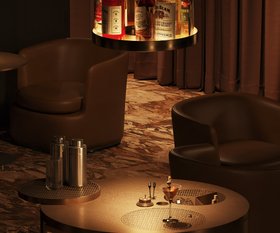
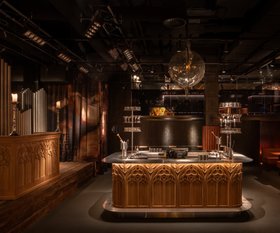
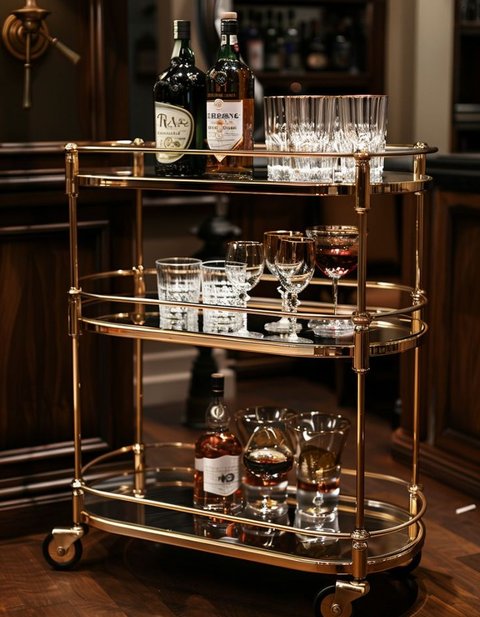
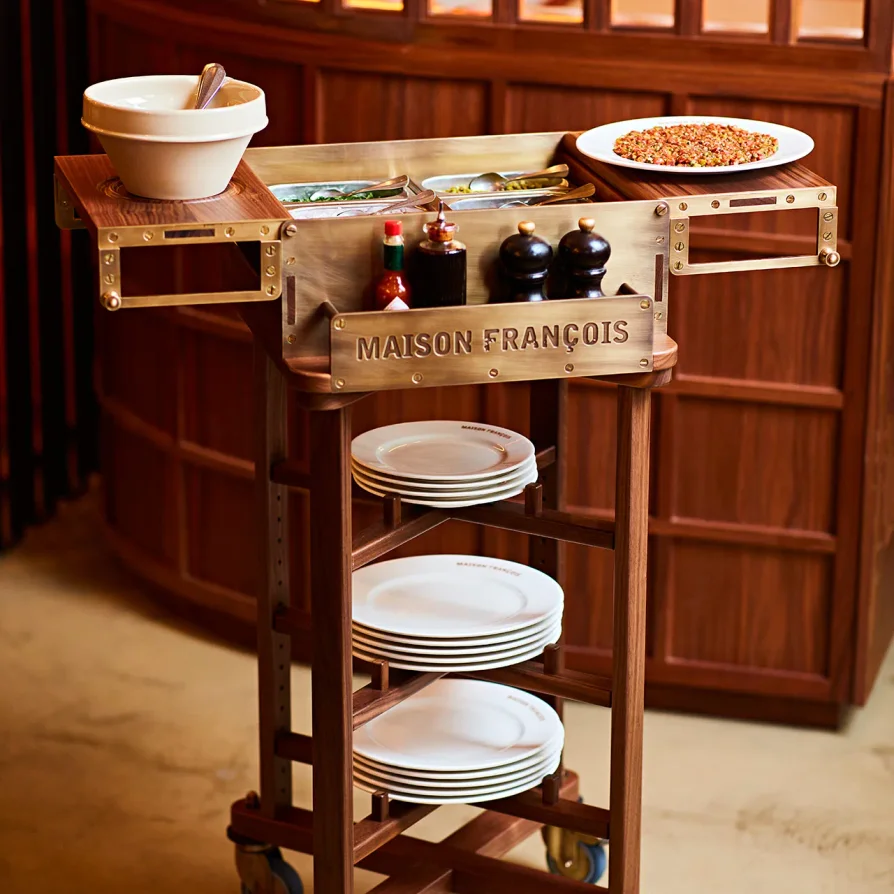
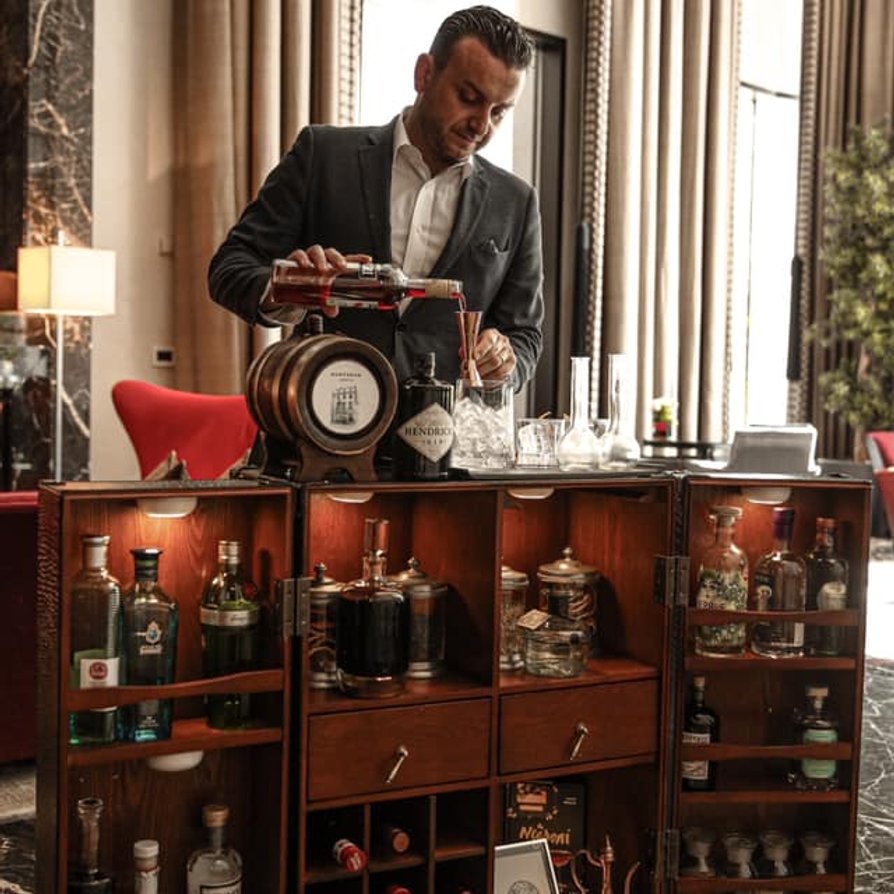
Cocktail bars, restaurants, and hotels borrowed principles from every previous phase: ritual from tea service, mobility from trains, precision from hospitals, and ergonomics from professional studios. The result was the rise of martini trolleys, negroni carts, champagne and caviar stations, and dessert trolleys.
What changed was not the object, but the intention.
The trolley stopped being a support tool and became a designed moment within the guest experience.
Phase VI: The Distributed Bar
Why trolleys matter now
Today’s hospitality landscape is fragmented. Rooftops, terraces, private rooms, pop-ups, and hybrid formats have replaced the single fixed bar. Service no longer lives in one place.
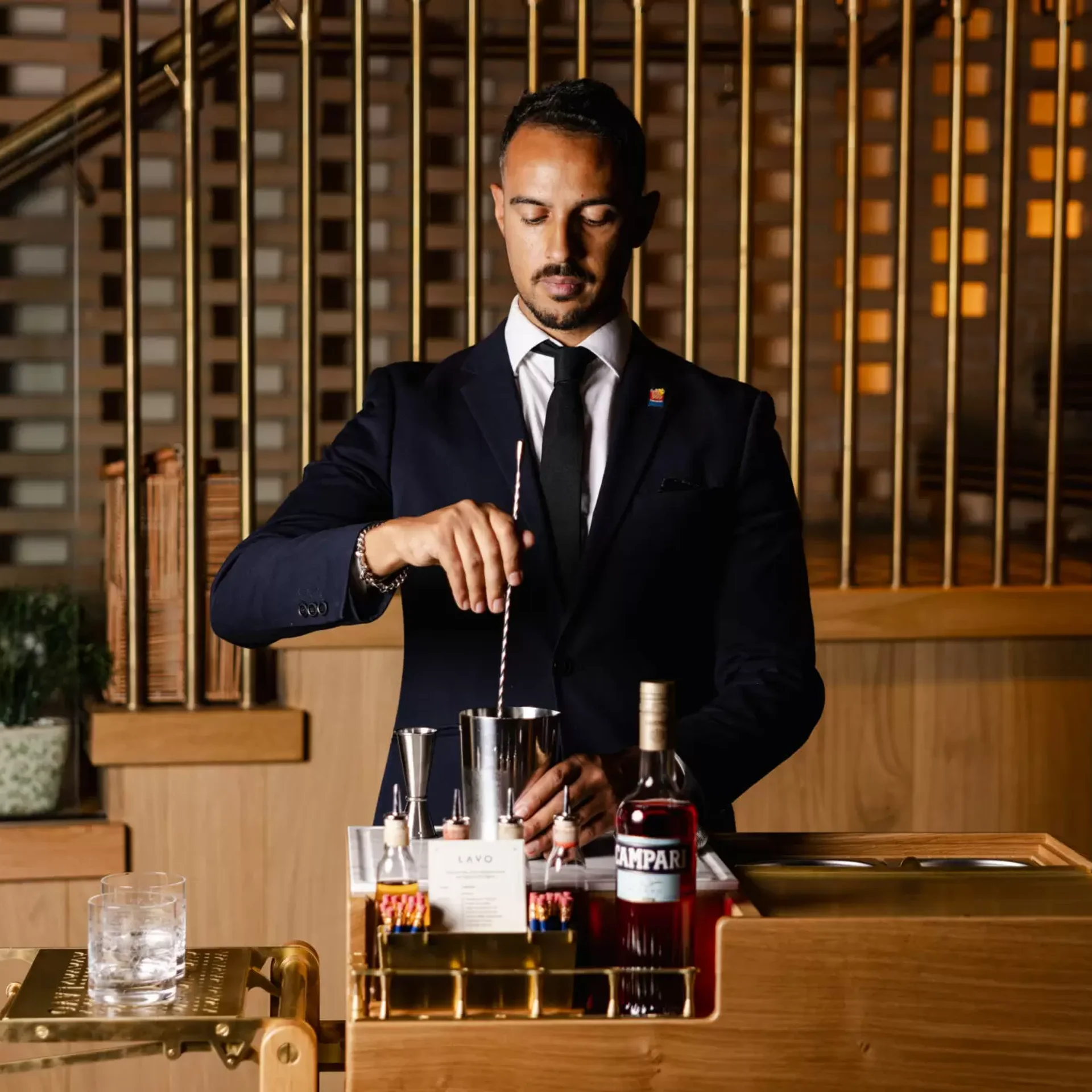
Trolleys allow operators to extend service without construction, test formats without permanent investment, reduce staff movement and fatigue, and create premium moments anywhere.
Once again, the trolley evolves — this time into a mobile bar system. The shift is architectural: from experience to scalable infrastructure.
Where the trolley is headed next: BARHEADS lens
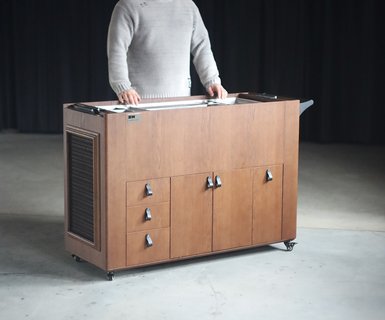
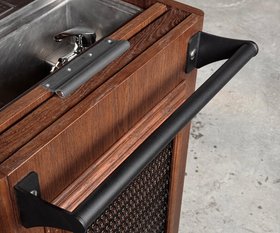
At BARHEADS, the trolley represents the clearest signal of how hospitality is changing. The Shuttle Trolley is not a nostalgic object. It is the logical next stage in this long evolution.
It combines hospital-grade logic, craft ergonomics, hospitality ritual, and system thinking. In doing so, it reflects a simple truth: the future of bars is not fixed. It is distributed.
The next evolution will not be louder. It will be smarter.
We expect more modularity, deeper integration into workflows, less decoration, and more function. Systems will be designed to protect teams as much as they impress guests.
The trolley survived because it adapted. It stayed relevant because it learned.
And today, as hospitality searches for flexibility, efficiency, and meaning in motion, the trolley feels less like a trend and more like an inevitability.
The evolution continues.